

Overview
India is witnessing a major regulatory shift with the India Breaking Biggest 10 Rules from April 1, 2026, impacting daily life, travel, banking, and financial activities. These updates are designed to improve transparency, control inflation, and strengthen digital transactions. From ATM and UPI usage limits to fuel changes and tax system updates, every citizen will experience some level of impact. While some rules may increase costs, others aim to regulate financial discipline and security. Understanding the India Breaking Biggest 10 Rules from April 1, 2026 is essential to stay prepared for these nationwide changes.
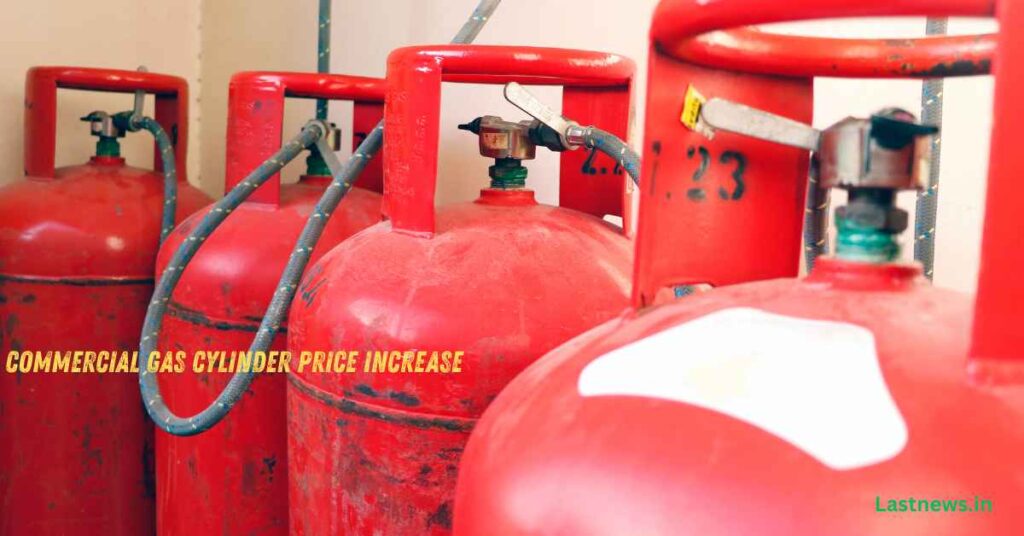
1. Commercial Gas Cylinder Price Increase
Overview
The first major update under the India Breaking Biggest 10 Rules from April 1, 2026 affects commercial LPG users.
- 19-litre commercial gas cylinder price increased by ₹200
- New price: ₹2246 per cylinder
- Impacts hotels, restaurants, and small businesses
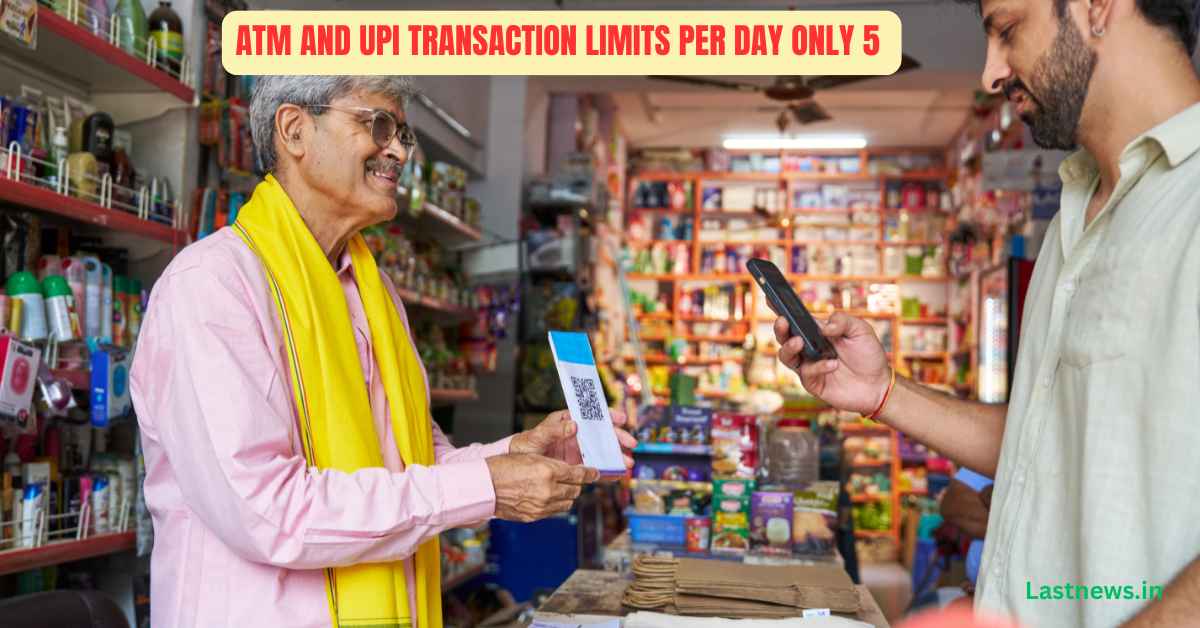
2. ATM and UPI Transaction Limits
Overview
This update directly affects daily banking users and digital payments.
- Only 5 transactions are free for ATM and UPI
- After 5 transactions, charges will apply
- Encourages controlled and mindful usage of banking services
3. Toll Gate Fee Increase and Digital Payments
Overview
Travel costs will increase due to new toll rules and payment systems.
- 68 toll gates increase charges
- Fee increase ranges from ₹10 to ₹200 based on vehicle type
- Cash payments are not accepted
- Only online payments (FASTag/digital) allowed
4. E20 Petrol Implementation
Overview
Fuel standards are changing to support environmental goals.
- E20 petrol officially introduced from April 1
- Promotes ethanol blending in fuel
- Aims to reduce pollution and fuel dependency
5. Ban on Low-Quality CCTV Cameras
Overview
Security standards are being tightened across the country.
- Low-quality imported China CCTV cameras banned
- Only quality-approved devices allowed
- Improves surveillance reliability and data security
6. Gold Loan Value Rule
Overview
Loan policies are updated to control risk in lending.
- For gold loans of ₹2.5 lakh
- Only 85% of gold value will be sanctioned
- Reduces over-lending and financial risk
Pan Card New Rules April 1 2026
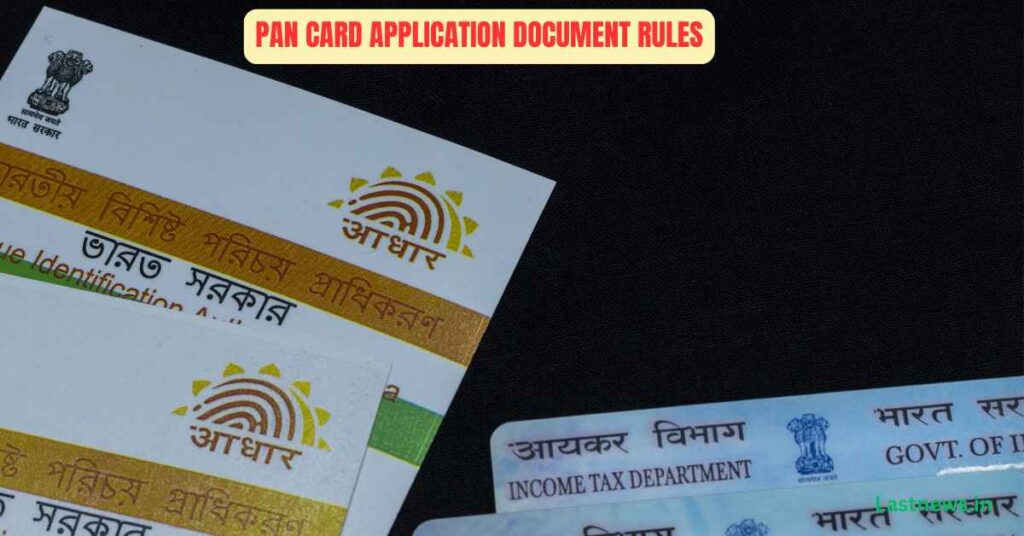
7. PAN Card Application Document Rules
Overview
PAN application process becomes stricter with mandatory documents.
Pan Card Apply & Service Portal
- 10th marksheet is mandatory
- Birth certificate required
- Ensures proper identity verification
8. Airline Cylinder Price Increase
Overview
A major cost increase impacts aviation fuel-related expenses.
- Domestic airline cylinder (1000 litre): ₹96,638 → ₹2.7 lakh
- International airline cylinder (1000 litre): ₹76,311 → ₹2.58 lakh
- Increase due to supply shortage
- May lead to higher air travel costs
Biggest Income Tax Changes on April 1, 2026
9. Train Ticket Cancellation Rules
Overview
Railway passengers must follow stricter cancellation timelines.
- Cancellation before 8 hours of boarding → No refund
- Affects last-minute travel changes
- Encourages early planning
10. New Income Tax Financial Year Update
Overview
A structural change in taxation system is introduced.
- Economic year aligned with tax year from April 1, 2026
- Simplifies tax filing and financial tracking
- Improves clarity in income reporting
Frequently Asked Questions (FAQ)
1. What are the biggest changes from April 1, 2026?
Major changes include ATM/UPI limits, toll fee increases, fuel updates, and new income tax rules.
2. How many ATM or UPI transactions are free?
Only 5 transactions are free; additional usage will be charged.
3. What is the new rule for toll payments?
Cash is not accepted; only online payments like FASTag are allowed.
4. Is PAN card application stricter now?
Yes, 10th marksheet and birth certificate are mandatory.
5. Will travel costs increase?
Yes, due to toll hikes and airline fuel price increases.
6. What is E20 petrol?
E20 petrol is fuel blended with 20% ethanol to reduce pollution.
Conclusion
The India Breaking Biggest 10 Rules from April 1, 2026 bring wide-ranging changes that affect everyday life, from banking to travel and taxation. While some updates increase costs, they also promote digital systems, transparency, and better regulation. Staying informed about the India Breaking Biggest 10 Rules from April 1, 2026 will help individuals adapt and manage their finances efficiently.